
Meeting the Energetic and Striking Bengal Kitten
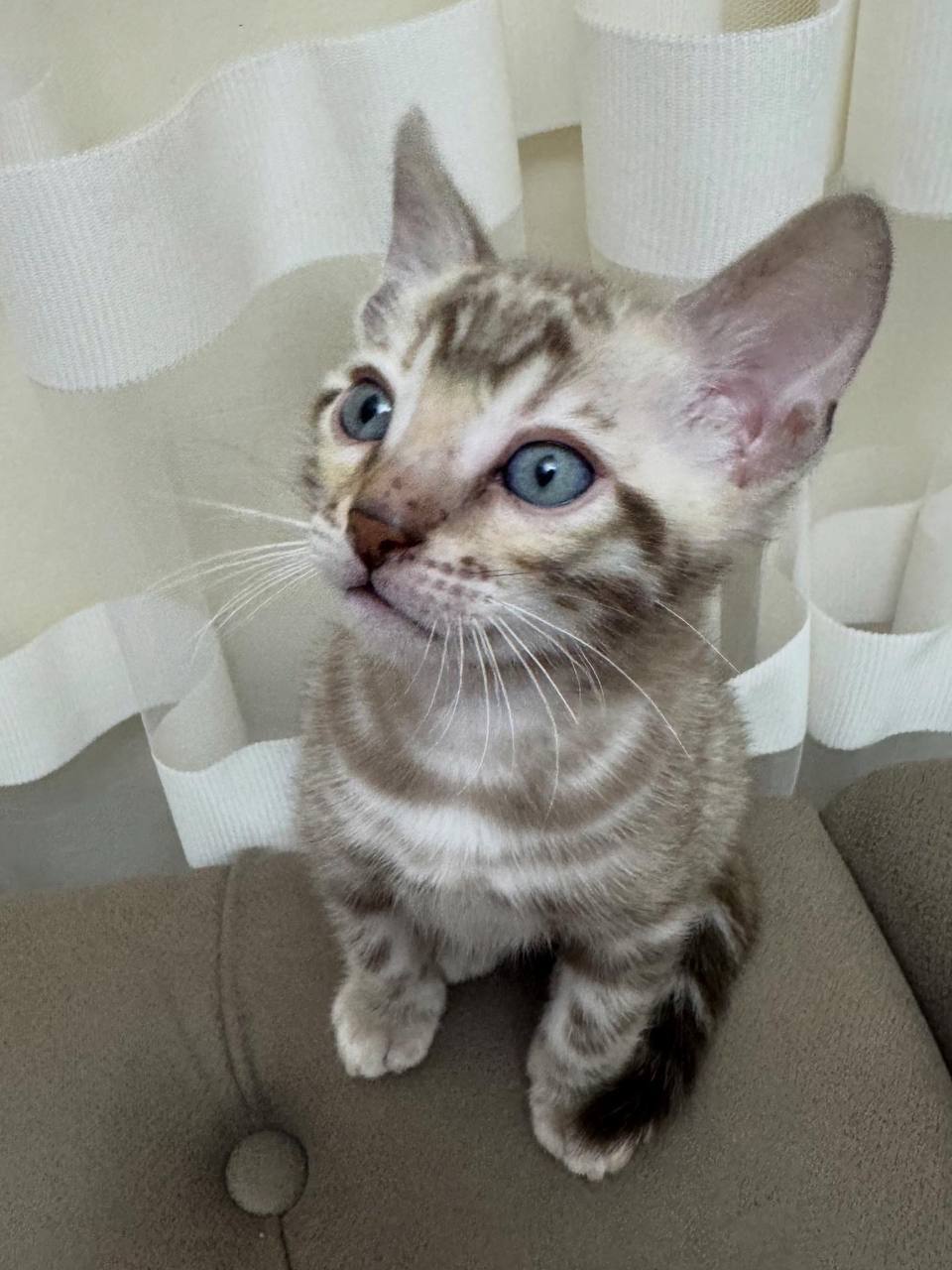
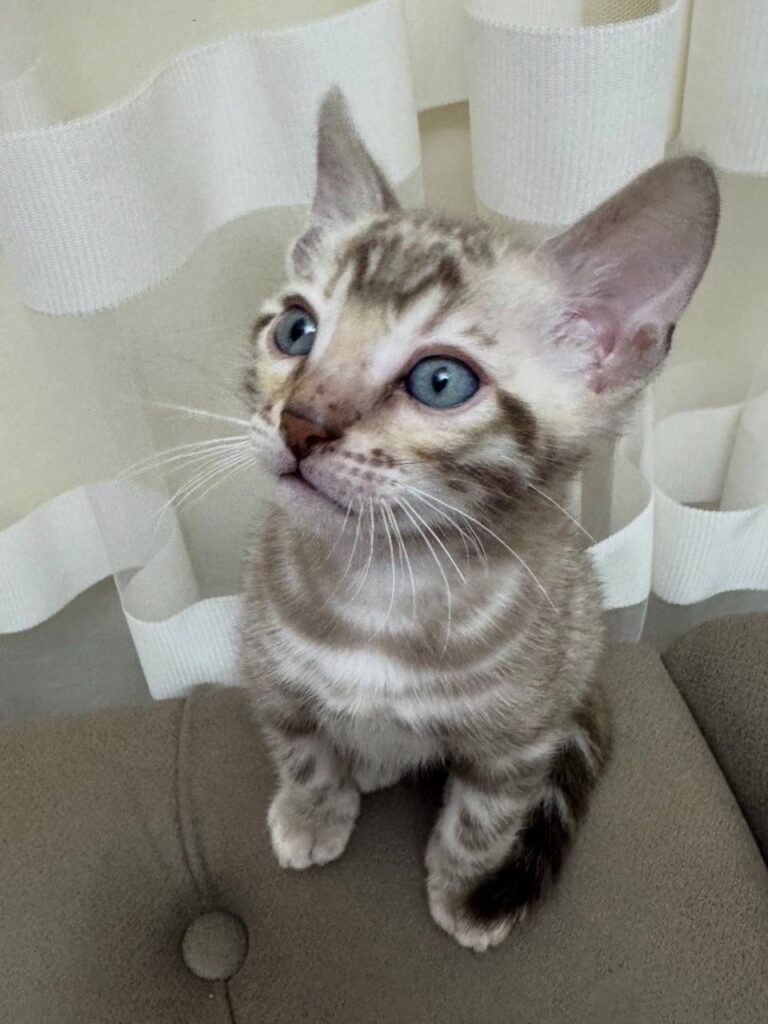
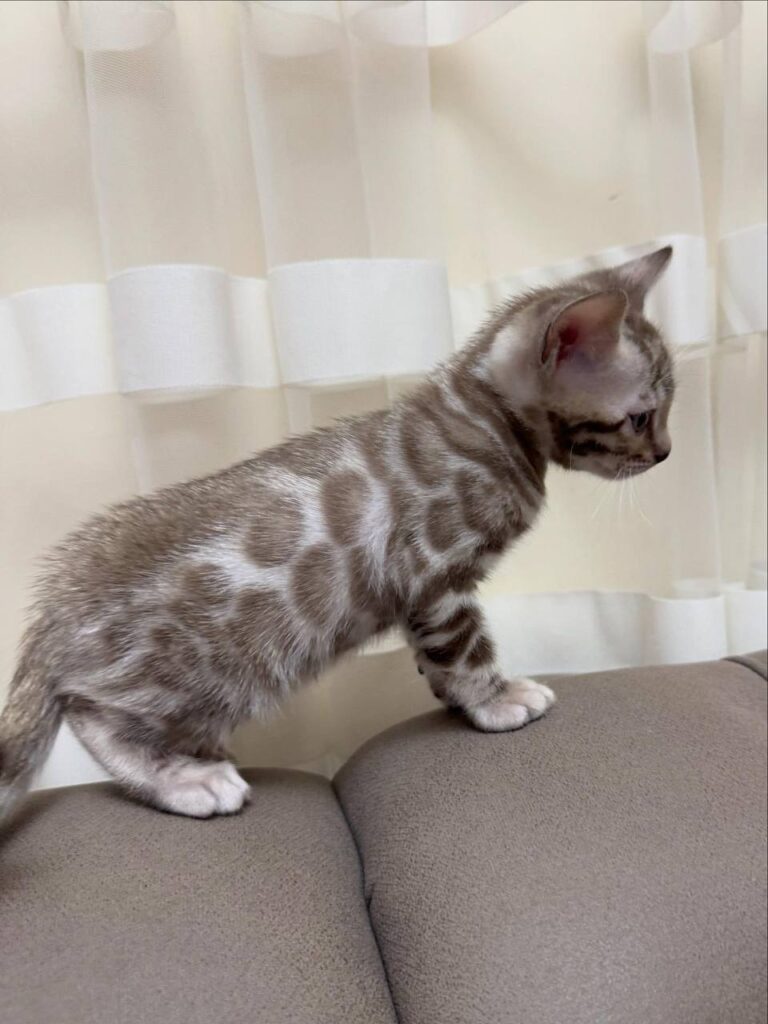
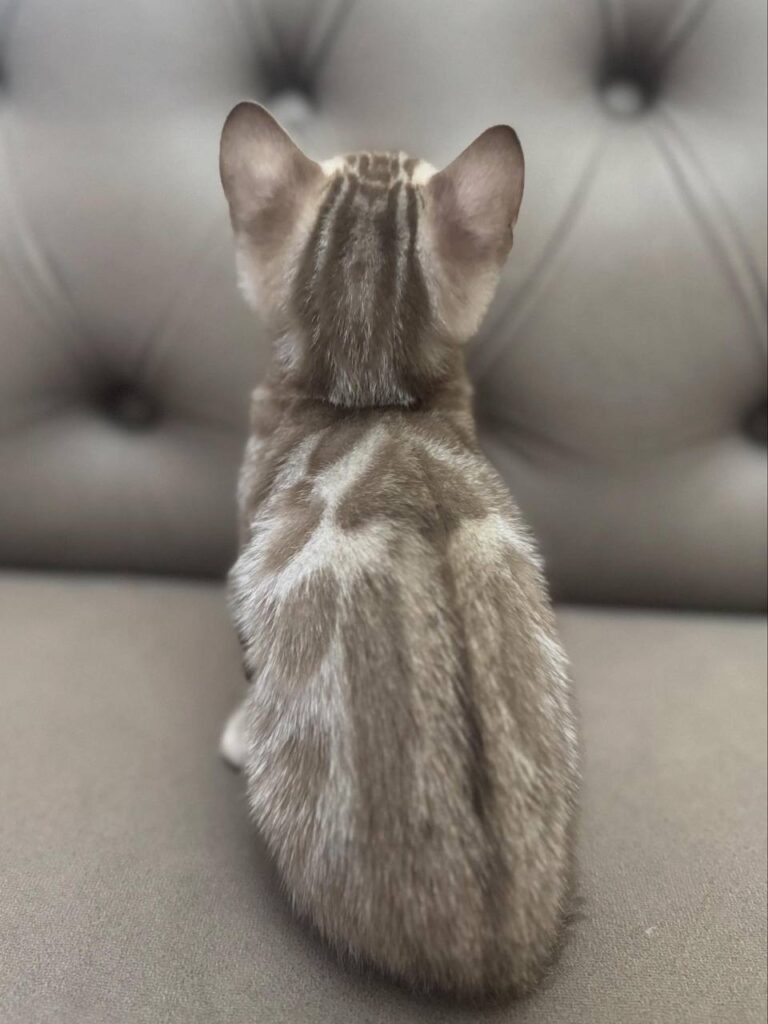
This little boy is a remarkable example of the Bengal breed, showcasing the wild-looking aesthetic and bright, intelligent eyes that make these cats so captivating. Even at this tender age, his pelt displays the distinctive marbling or spotting that will grow more defined as he matures, making him look like a tiny leopard roaming your living room. A male Bengal kitten is a whirlwind of energy and curiosity, often leading the charge in play and exploration throughout his new home. He isn’t the type of feline to spend all day napping in a sunbeam; instead, he will likely be found investigating high shelves, batting at water droplets, or engaging in a spirited game of fetch. His athletic build is already evident in his sturdy legs and alert posture, signaling that he will grow into a powerful and agile adult who requires plenty of space to run and jump.
The Fascinating Heritage of the Bengal Breed
To truly appreciate this kitten, one must understand that the Bengal is a relatively young breed, originally created by crossing domestic cats with the Asian Leopard Cat. This exotic ancestry is what gives the Bengal its unique physical traits, such as its shimmering “glitter” coat and remarkably soft fur that feels like fine silk. Beyond their looks, their heritage influences their bold and adventurous personalities, as they often lack the wariness sometimes seen in other domestic breeds. They are highly territorial and incredibly confident, making them excellent companions for those who want an interactive pet that truly engages with the family. Because of their lineage, a Bengal typically has a higher activity level and a more intense curiosity than your average house cat, requiring an owner who can match their high-spirited nature with consistent engagement.
Personality Traits of an Active Male Kitten
The personality of a male Bengal is often described as being more “dog-like” than most felines due to their loyalty and desire for constant interaction. He is likely to follow you from room to room, vocalizing with a unique range of chirps and meows to let you know exactly what he is thinking. Unlike many cats that are indifferent to water, a Bengal is often fascinated by it; you might find him trying to jump into the bathtub or batting at the stream from a kitchen faucet. He is a highly social creature who thrives on being the center of attention and can become quite mischievous if he feels ignored. This boy will likely develop a strong bond with his primary caregiver, often preferring to be “near” rather than “on” a lap, as his high energy keeps him perpetually ready for the next adventure.
Essential Grooming and Physical Care
Grooming a Bengal is generally a straightforward process because their sleek, short coats do not require the intense brushing that long-haired breeds do. However, regular brushing once or twice a week is still beneficial to remove loose hair and keep his pelt looking its most vibrant and shiny. This routine also provides a great opportunity for bonding and allows you to check for any skin issues or parasites. Because the Bengal is such an active climber, keeping his claws trimmed is essential to protect your furniture and your skin during enthusiastic play sessions. Additionally, dental hygiene is very important for this breed, so introducing him to tooth brushing while he is a kitten will save a lot of trouble later in life. Overall, the Bengal is a relatively low-maintenance cat in terms of aesthetics, allowing you more time to focus on the mental and physical stimulation they so desperately crave.
Nutritional Requirements for a Powerful Hunter
To support the rapid growth and high energy of a male Bengal kitten, a diet rich in high-quality animal protein is absolutely non-negotiable. These cats have lean, muscular bodies that require substantial fuel, so look for kitten foods where a specific meat source is the first ingredient listed. Because they are slow to fully mature, you may need to keep him on a kitten-specific formula longer than you would for a standard domestic cat to ensure his bones and joints develop correctly. It is also important to provide a mix of wet and dry food to ensure he remains properly hydrated, as a Bengal can sometimes be prone to urinary tract issues if they don’t consume enough water. Monitoring his weight is crucial; while he is an athlete, overfeeding can lead to obesity, which puts unnecessary strain on his active frame.
Environmental Enrichment and Mental Stimulation
The most important aspect of caring for a Bengal is providing an environment that challenges their superior intelligence and fulfills their need for movement. This boy will need plenty of vertical space, such as tall, sturdy cat trees or wall-mounted shelves, where he can survey his territory from a safe height. Interactive toys that stimulate his hunting instincts—like feather wands, laser pointers, and puzzle feeders—are essential to prevent him from becoming bored and destructive. A bored Bengal is a creative one, and you might find him opening cabinets or “redecorating” your counters if he doesn’t have a constructive outlet for his energy. Many owners find success in leash training their Bengal for outdoor walks, which provides a safe way to explore the world and burn off excess steam. If you provide him with the structure, activity, and love he needs, this little boy will grow into a magnificent and devoted companion who brings a touch of the wild into your home every single day.