Meet Your New Best Friend The Ragdoll
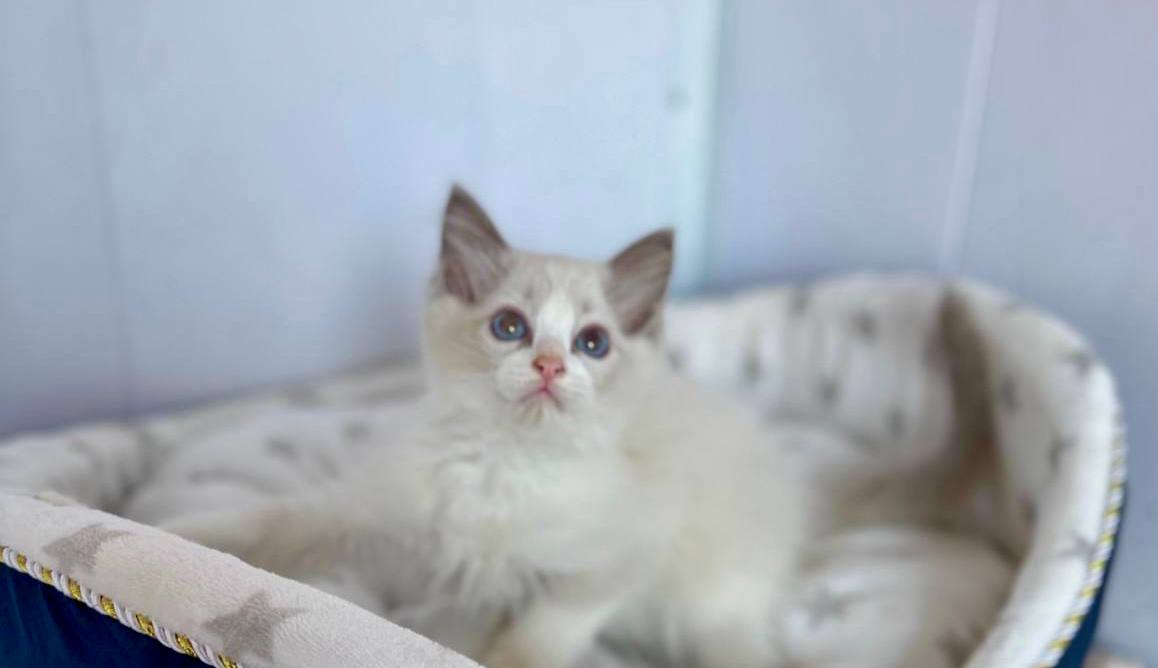
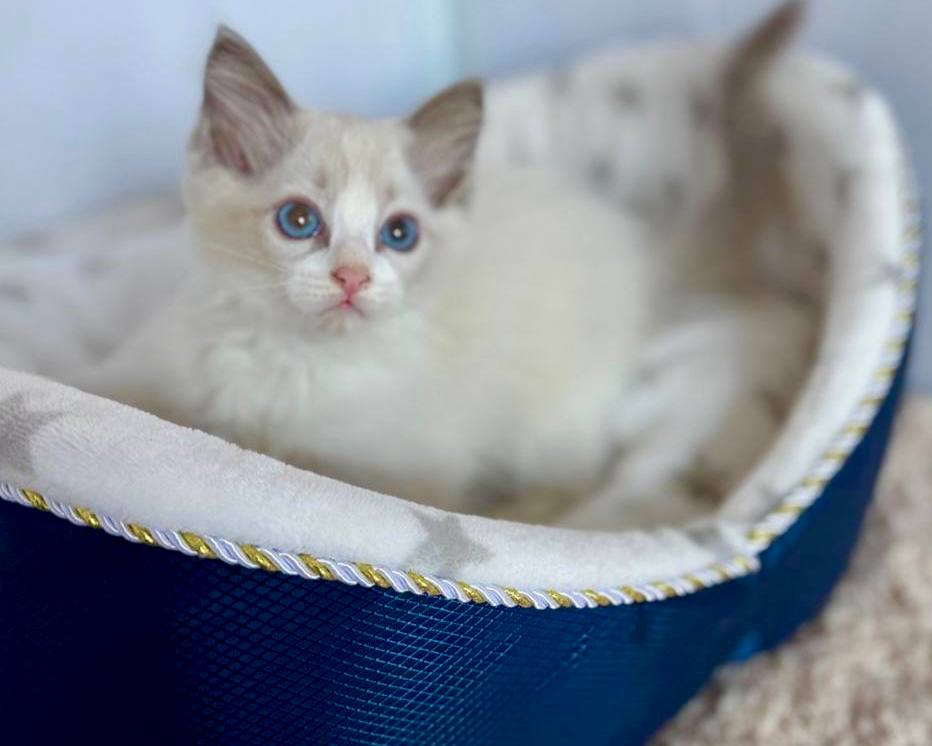
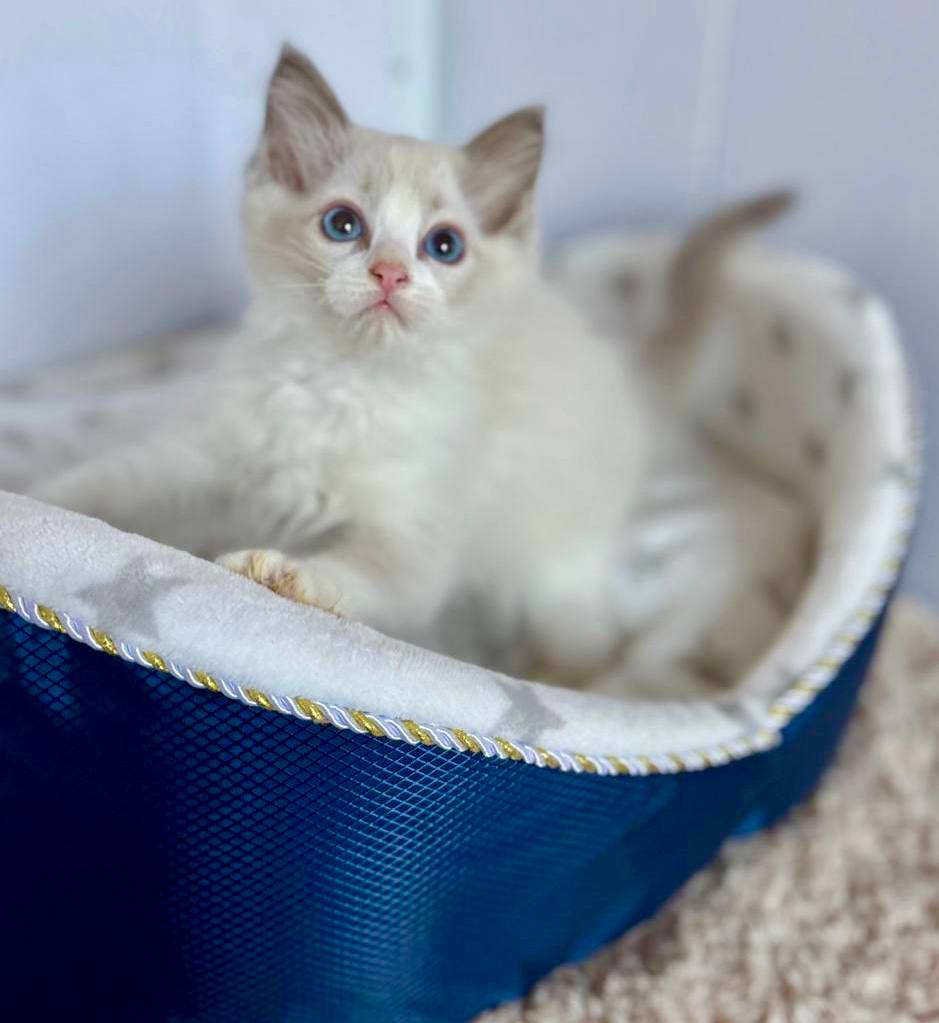
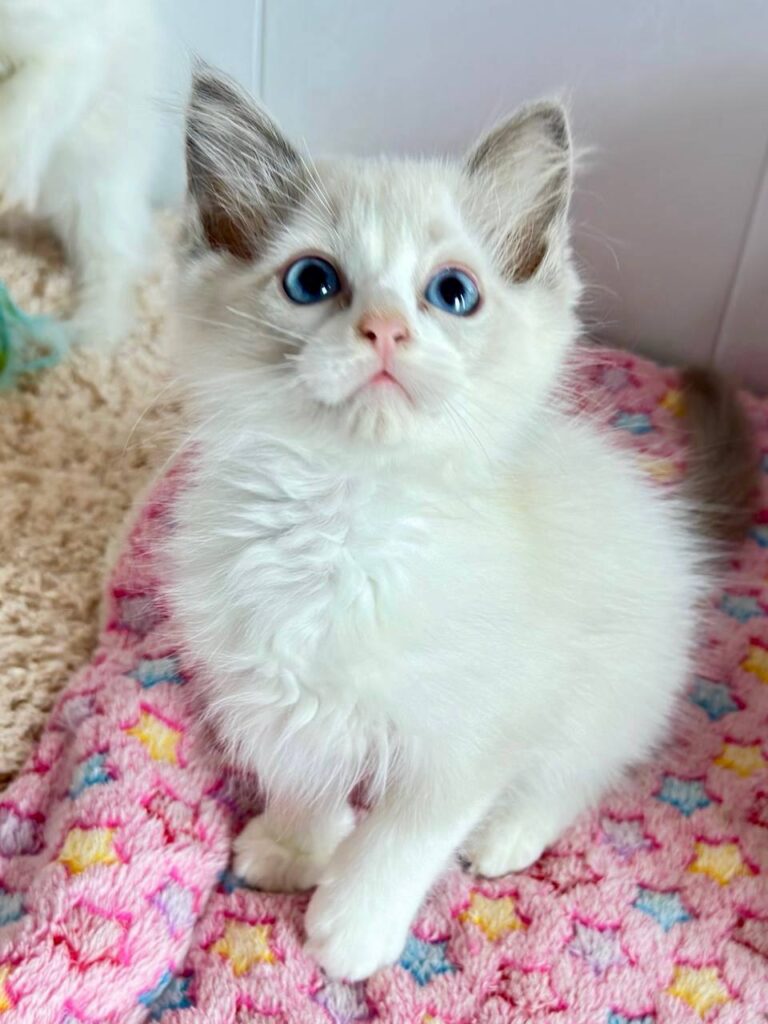
This adorable kitten, with her striking blue eyes and plush coat, is a quintessential example of the Ragdoll breed. As a young girl, she already displays the gentle, serene expression that has made these cats one of the most popular companions in the world. Ragdoll kittens are often born almost entirely white, with their distinctive points—the darker fur on their ears, tail, and face—developing more deeply as they mature over the first few years of their lives. In the provided images, you can see her soft cream-colored body and the subtle shading beginning to appear on her ears, marking her as a truly elegant member of her breed. She carries herself with a quiet curiosity, likely spending her time investigating her surroundings with soft paws and a gentle temperament that is hallmark to her heritage.
Understanding The Unique Ragdoll Temperament
The Ragdoll is perhaps most famous for its incredible personality, which is often described as more like a dog than a typical cat. They earned their name because of their tendency to go limp with relaxation when picked up, showing an immense amount of trust in their human companions. This little girl will likely grow up to be a “floppy” cat who craves physical affection and wants to be involved in every aspect of your daily life. Unlike some breeds that prefer high perches and independent exploration, the Ragdoll prefers to stay at floor or sofa level, following their owners from room to room just to be in their presence. They are known for being exceptionally patient and docile, which makes them wonderful additions to households with children or other pets, as they rarely use their claws in anger and prefer to resolve conflicts by simply walking away.
A Comprehensive Guide To Grooming Your Ragdoll
Caring for the luxurious coat of a Ragdoll is a vital part of their maintenance, though it is surprisingly easier than it looks. Their fur is often described as “rabbit-like” because it is incredibly soft and lacks the dense undercoat found in many other long-haired breeds, which means it is less prone to matting and tangling. However, because this little girl will eventually have a very substantial amount of fur, you should establish a grooming routine early in her life to ensure she remains comfortable with the process. Brushing her at least twice a week with a high-quality steel comb or a soft slicker brush will help remove loose hairs and keep her coat looking pristine. This regular grooming not only prevents hairballs but also serves as a precious bonding time between you and your Ragdoll, reinforcing the affectionate connection that defines the breed.
Nutritional Needs For A Growing Ragdoll
Because the Ragdoll is a large-breed cat that matures slowly, reaching full physical size only at four or five years of age, their nutritional requirements are quite specific. This kitten will need a diet high in protein and essential fatty acids to support her steady bone and muscle development during these formative years. It is important to feed her high-quality kitten food that is calorie-dense but carefully monitored, as the Ragdoll can be prone to obesity if they are allowed to overeat without enough activity. Since she is a girl, she will likely be slightly smaller than a male of the breed, but she will still be a substantial, sturdy cat once fully grown. Providing a mix of wet and dry food can ensure she stays hydrated while also helping to maintain her dental health, keeping her energetic and healthy throughout her long life.
Creating An Enriching Environment For Your Ragdoll
While the Ragdoll is a laid-back breed, they still require plenty of mental stimulation and gentle exercise to keep their minds sharp and their bodies fit. This little kitten will enjoy interactive play sessions with feather wands, soft balls, or even learning to play fetch, a trick many members of this breed pick up quite easily. Because she is social, she will benefit from having plenty of “people time” and toys that encourage her to use her natural instincts in a safe, indoor environment. The Ragdoll should always be kept as an indoor-only cat, as their docile nature means they lack the street-smarts or defensive instincts to protect themselves against outdoor predators or traffic. By providing her with soft beds, low-level scratching posts, and plenty of love, you create a sanctuary where your Ragdoll can thrive and feel completely secure.
Health Considerations And Long Term Care
Like all purebred cats, the Ragdoll has a few genetic health considerations that owners should be aware of to ensure a long and happy life. They can be predisposed to certain heart conditions like hypertrophic cardiomyopathy or kidney issues, so regular veterinary checkups are essential to catch any potential problems early. Maintaining a clean litter box and ensuring she has access to fresh water at all times will help prevent urinary tract issues, which can be common in large cats. As she grows from this tiny fluffball into a majestic adult, the most important “care” you can provide is your time and attention. The Ragdoll is a breed that truly lives for human companionship, and in return for your care, she will provide a lifetime of “flops,” purrs, and unwavering devotion that makes every bit of effort worthwhile.